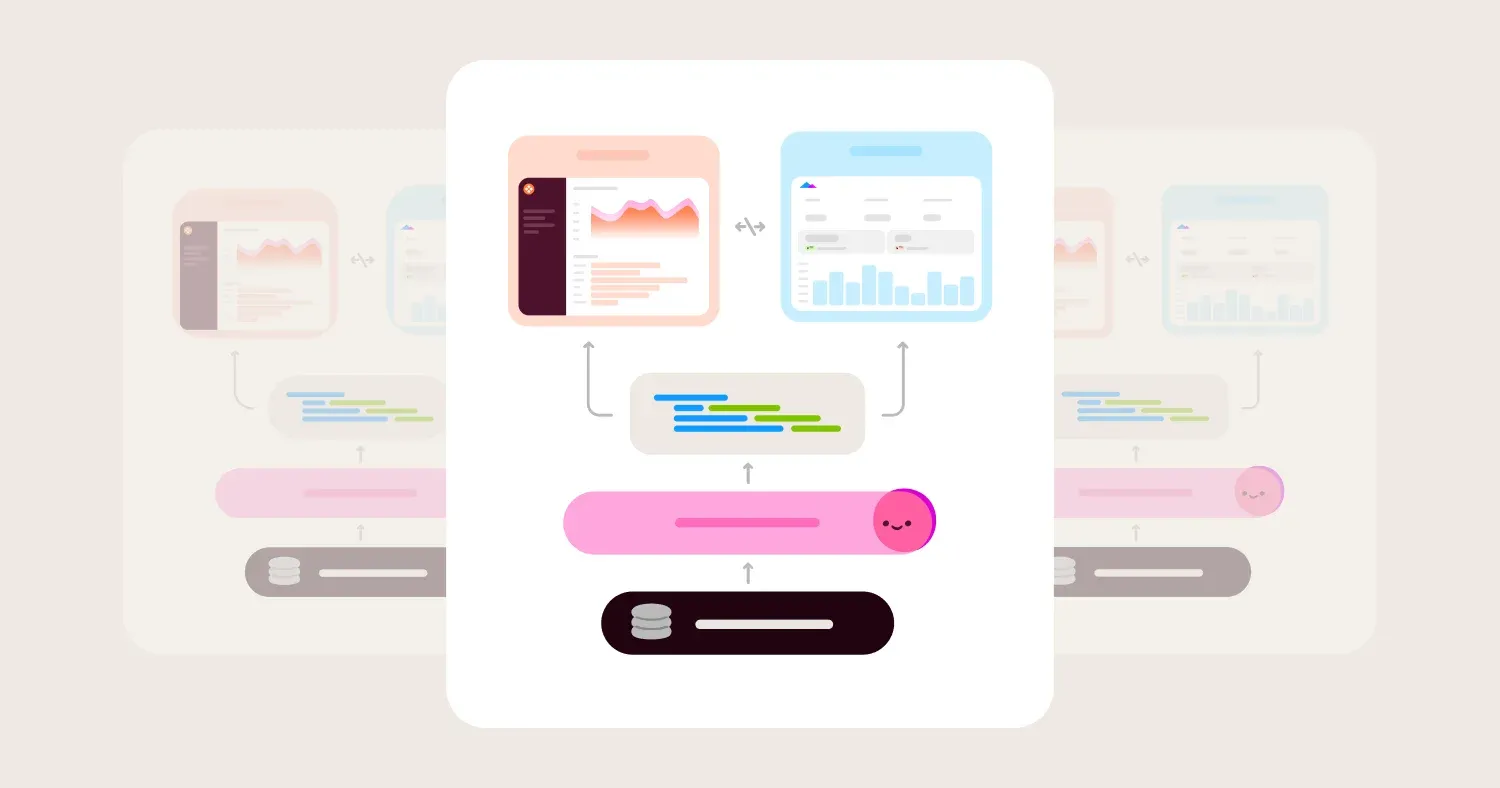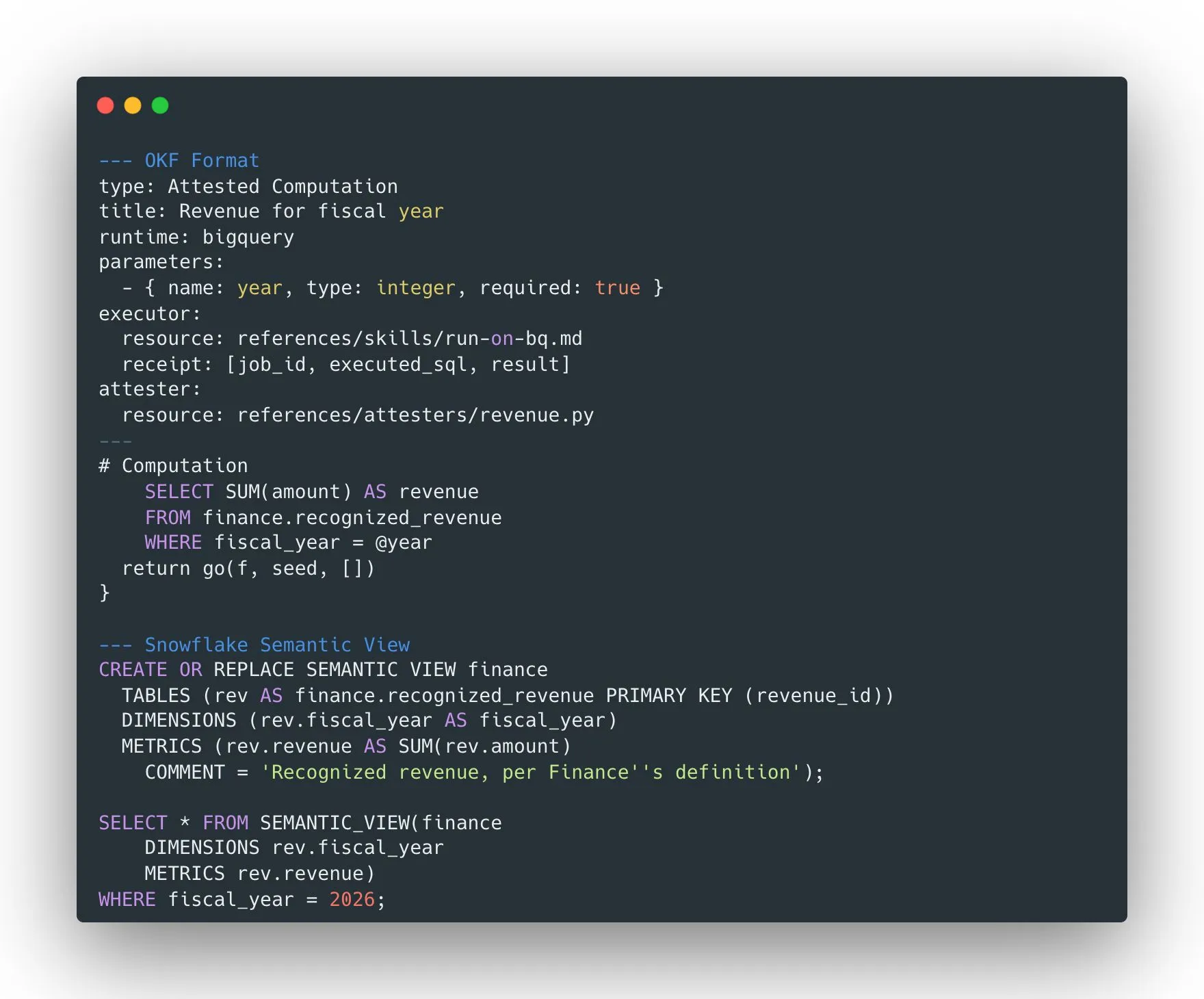
Ossie vs OKF: Semantic Model or Markdown Context?
Apache Ossie and Google's Open Knowledge Format both want agents to run metrics exactly as defined. What each one does, where each fits, and why you need both.
Wesley Nitikromo
November 4, 2026
Practical insights on data strategy, governance, agentic workflows, and semantic layer architecture — for teams building serious data infrastructure.

Apache Ossie and Google's Open Knowledge Format both want agents to run metrics exactly as defined. What each one does, where each fits, and why you need both.
Wesley Nitikromo
November 4, 2026

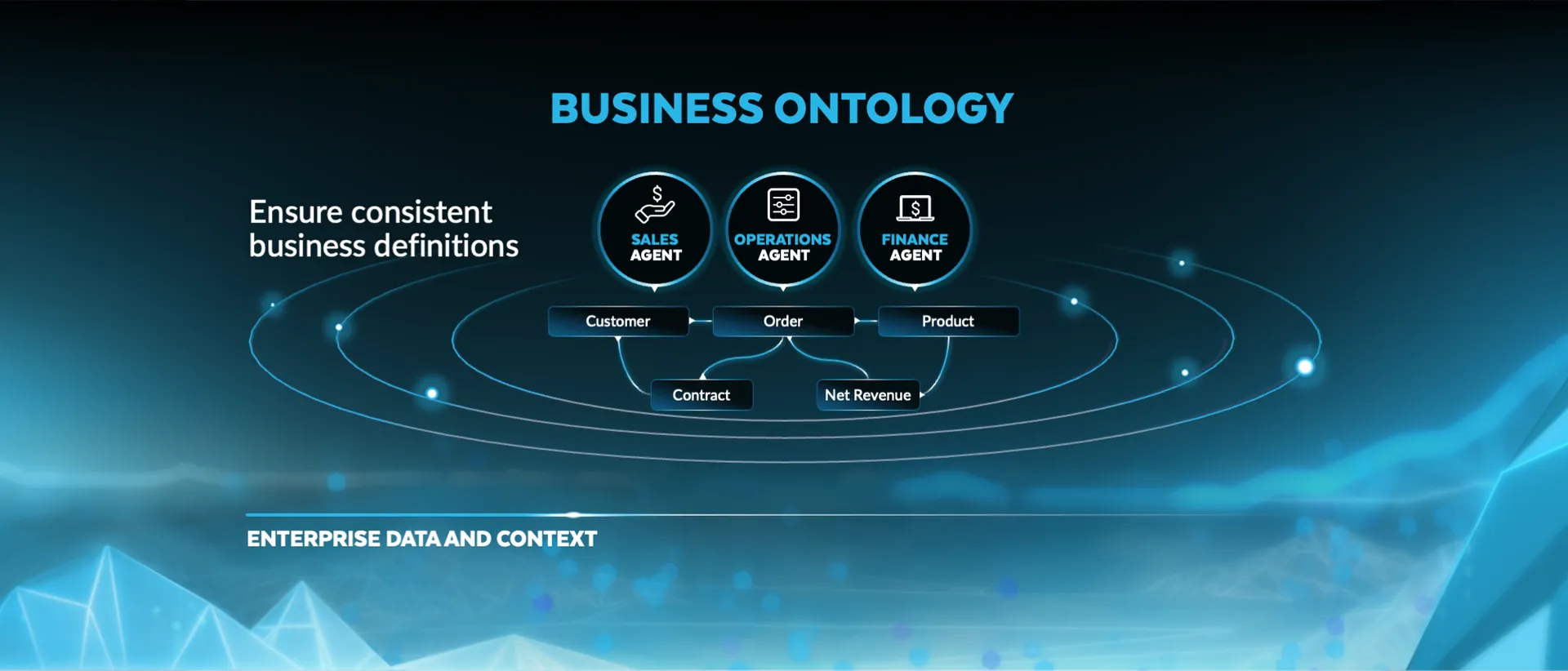
Snowflake Business Ontology gives every definition an owner and an approval status. What it does, how it relates to Semantic Views, and what it can't decide for you.

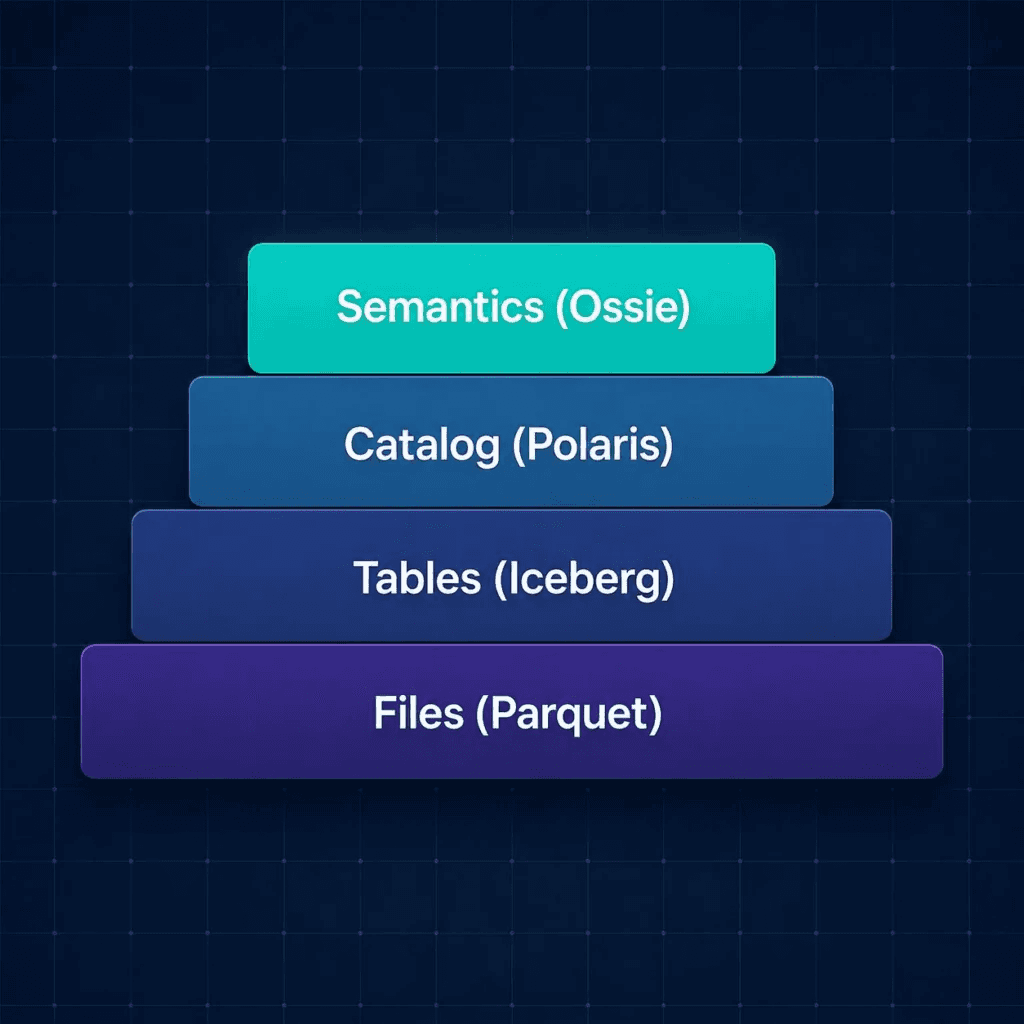
Apache Parquet, Iceberg, Polaris, and Ossie now cover every layer of the data stack with open, vendor-neutral standards. Here is what each layer does, how they compose, and what it means for AI-ready data architecture.

OSI is now Apache Ossie (Incubating). The rename is cosmetic. The governance transfer to the Apache Software Foundation is the story — and what it signals for the semantic layer as infrastructure.

Unwind Data is an Amsterdam-based data consultancy specialising in semantic layer implementation and data architecture for scale-ups and enterprises building AI. Independent, vendor-neutral, and practitioner-led.

AtScale and dbt Semantic Layer both promise a single source of truth for metrics. But they represent two completely different architectural philosophies and serve two different organizational realities. Here is the head-to-head comparison that vendor demos will not give you.

Strategy Mosaic, the dbt Semantic Layer, Snowflake Semantic Views and Looker all promise one definition of revenue. They put your business logic in very different places.

Omni does not publish a price list. How Omni pricing works, how it compares to Looker, Sigma, Tableau, Power BI and Strategy, and where BI cost really comes from.

Snowflake shipped Cortex Sense, CoCo Desktop, and CoWork at Summit 26. Cortex Sense is the context runtime that sits between the model and the data. Here is what each product does and why the three form a coherent agentic stack.

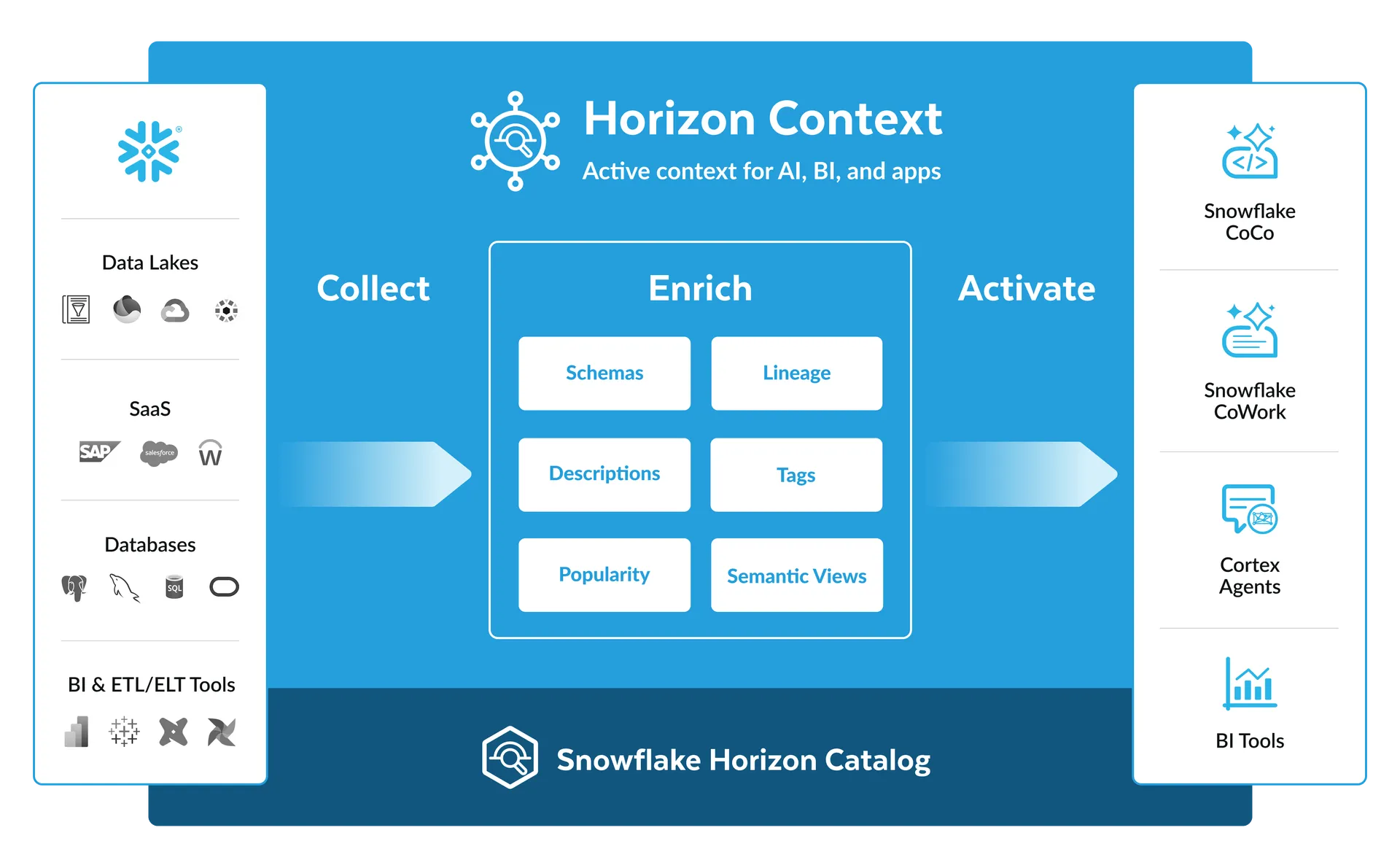
Snowflake Horizon Context launched at Summit 26 and raised a question for the OSI coalition. Updated November 2026 with Apache Ossie, Business Ontology and what the first five months answered.

Gartner formally warned that skipping semantic foundations will cause AI agents to hallucinate, waste budget, and create governance risk. Practitioners already knew this. Here's what the context layer is and what building it actually requires.

AI agents connected directly to the warehouse break in production. Here is the vendor-neutral architecture guide for connecting your semantic layer to AI agents using MCP, OSI, and A2A.

Evaluating Looker alternatives? The real decision is not which tool has better dashboards — it is what happens to your semantic governance layer when you switch. A vendor-neutral framework covering Omni, Lightdash, Sigma, Power BI, Metabase, Cube, and when NOT to leave Looker.

80-90% of Fivetran customers already used dbt. The merger formalized what most data stacks were already doing — but the implications for open source, the Iceberg bet, and the semantic layer are worth thinking through carefully.

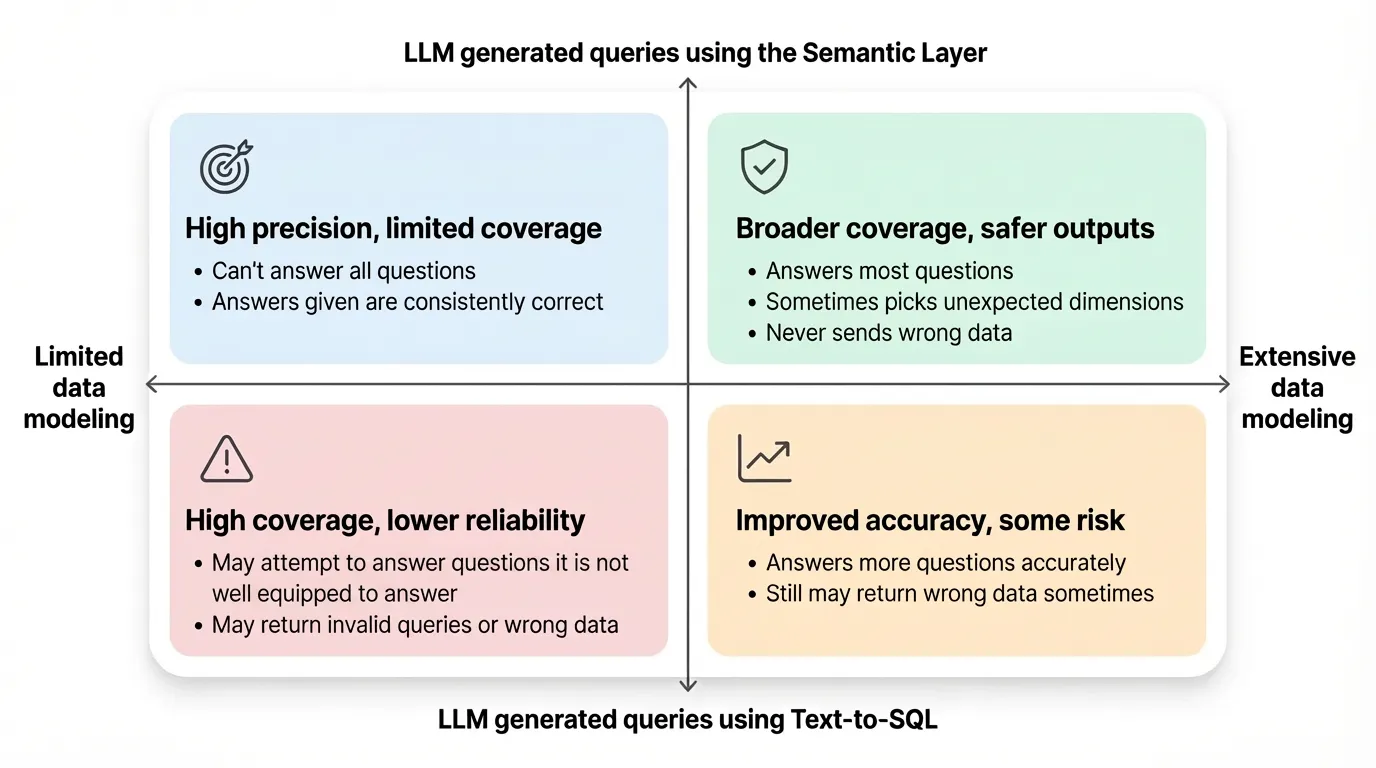
Text-to-SQL accuracy nearly doubled between 2023 and 2026. The semantic layer still wins on determinism. But the real question isn't which benchmark wins — it's an architecture decision about where your business logic lives.

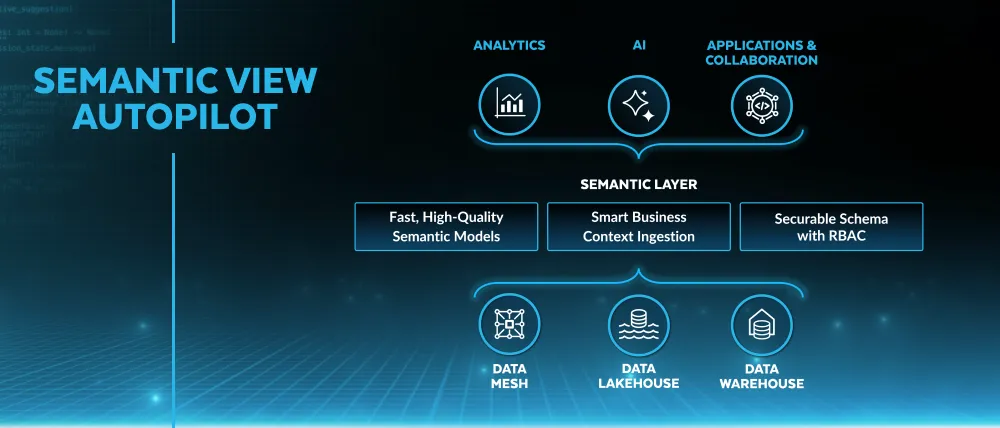
How to get Snowflake Semantic View Autopilot working in production, not just in a demo. The decisions that matter, the limitations nobody mentions, and where SVA fits in your data architecture.

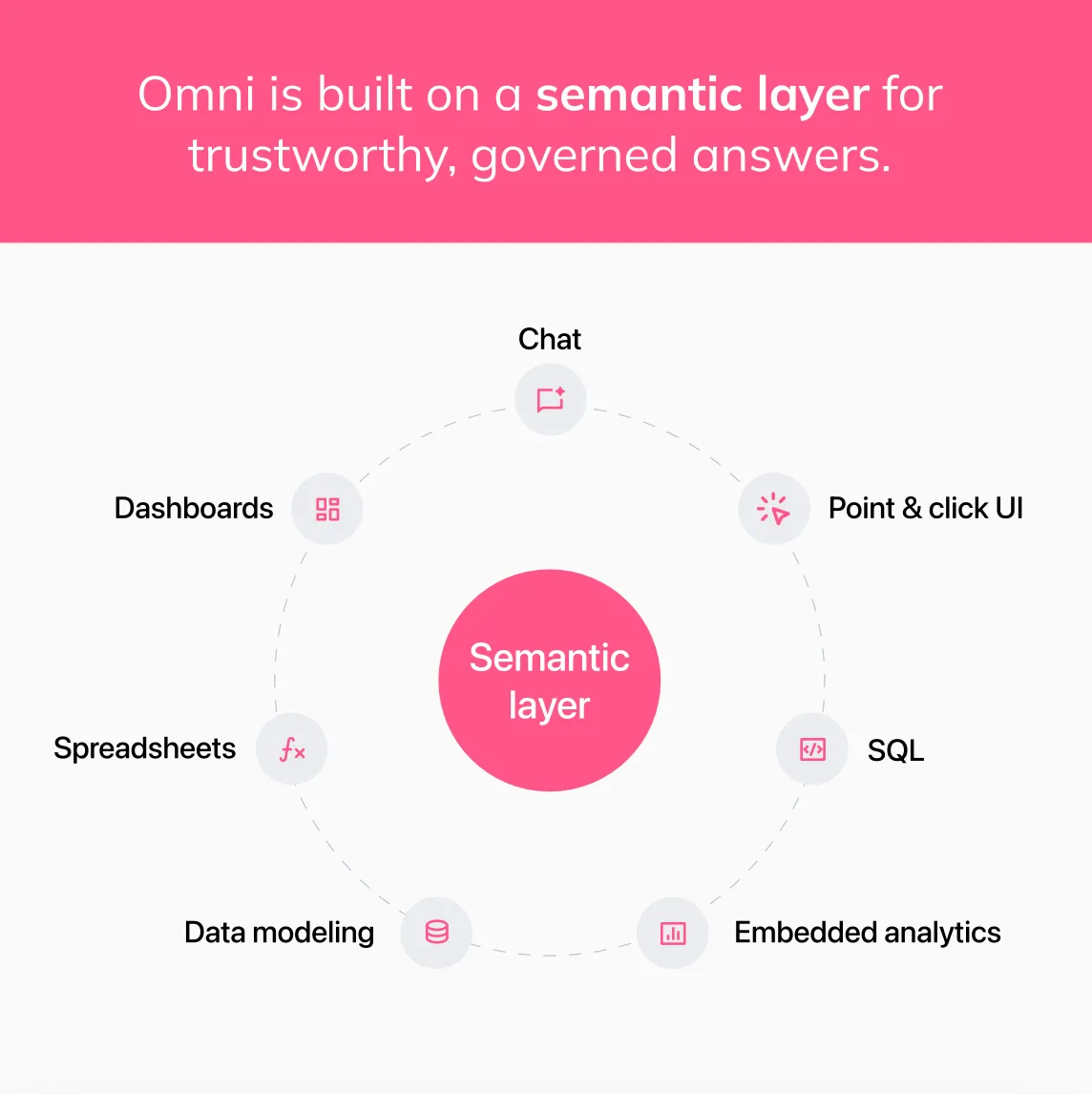
Omni raised $120M at a $1.5B valuation today — with the semantic layer as the explicit center of their pitch and their moat. Here is why the framing matters as much as the number.

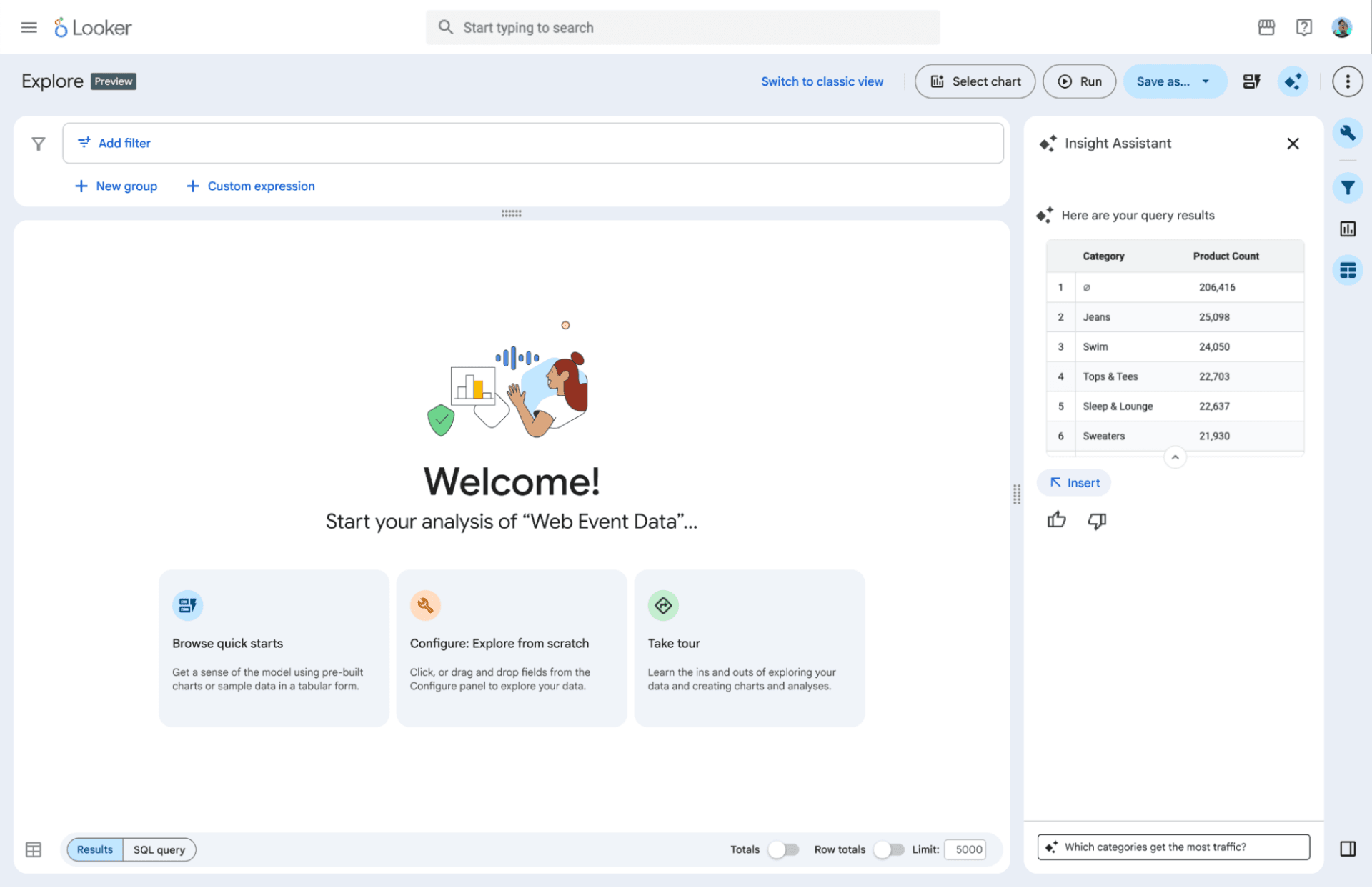
Google announced the agentic BI era with Looker at Next '26: BI agents, a native MCP server, Gemini-powered LookML, and the Knowledge Catalog. Here is why I think this is the right move — and the one thing that still determines whether it works.

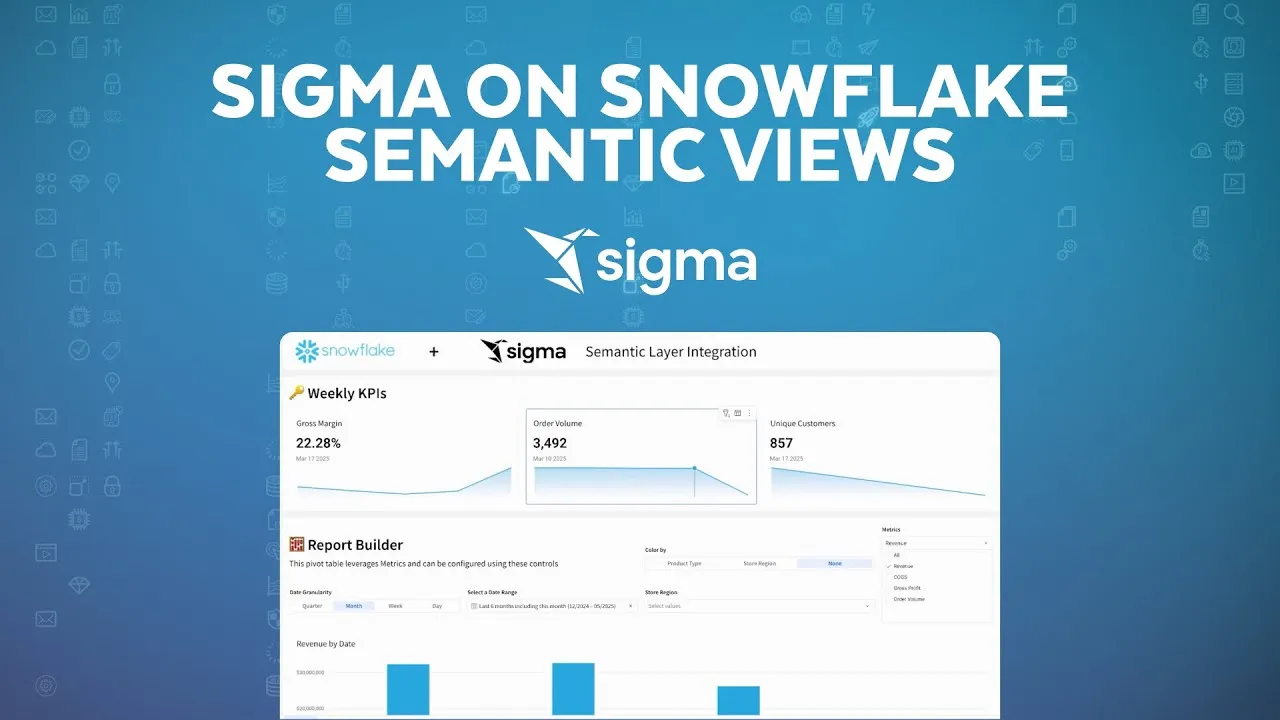
Snowflake Semantic Views are now the native semantic layer inside Snowflake, powering Cortex Analyst, AI agents, and BI tools from a single governed definition. Here is how to implement them correctly — including Autopilot, dbt integration, and the best practices that matter in production.

When you run Tableau, Power BI, and Sigma simultaneously, every metric gets defined three times — and diverges. A semantic layer for multiple BI tools is the only architecture that fixes this without replacing any of them.

Most BI migrations fail because teams migrate dashboards instead of fixing the logic underneath them. Here is a honest account of what works, what breaks, and why the semantic layer is where every migration should start.

Most Sigma vs Looker comparisons debate visualizations and pricing. The actual decision is about the semantic layer — whether you need one, and where it should live relative to your BI tool.

What does a semantic layer consultant actually do? When does it make sense to hire one versus building internally? And what makes an independent consultant different from the vendors pitching you tools? Here is the honest answer.

Most AI projects fail before the model is ever the bottleneck. The real problem is the data foundation underneath. Here is what it takes to build one that actually supports production AI.

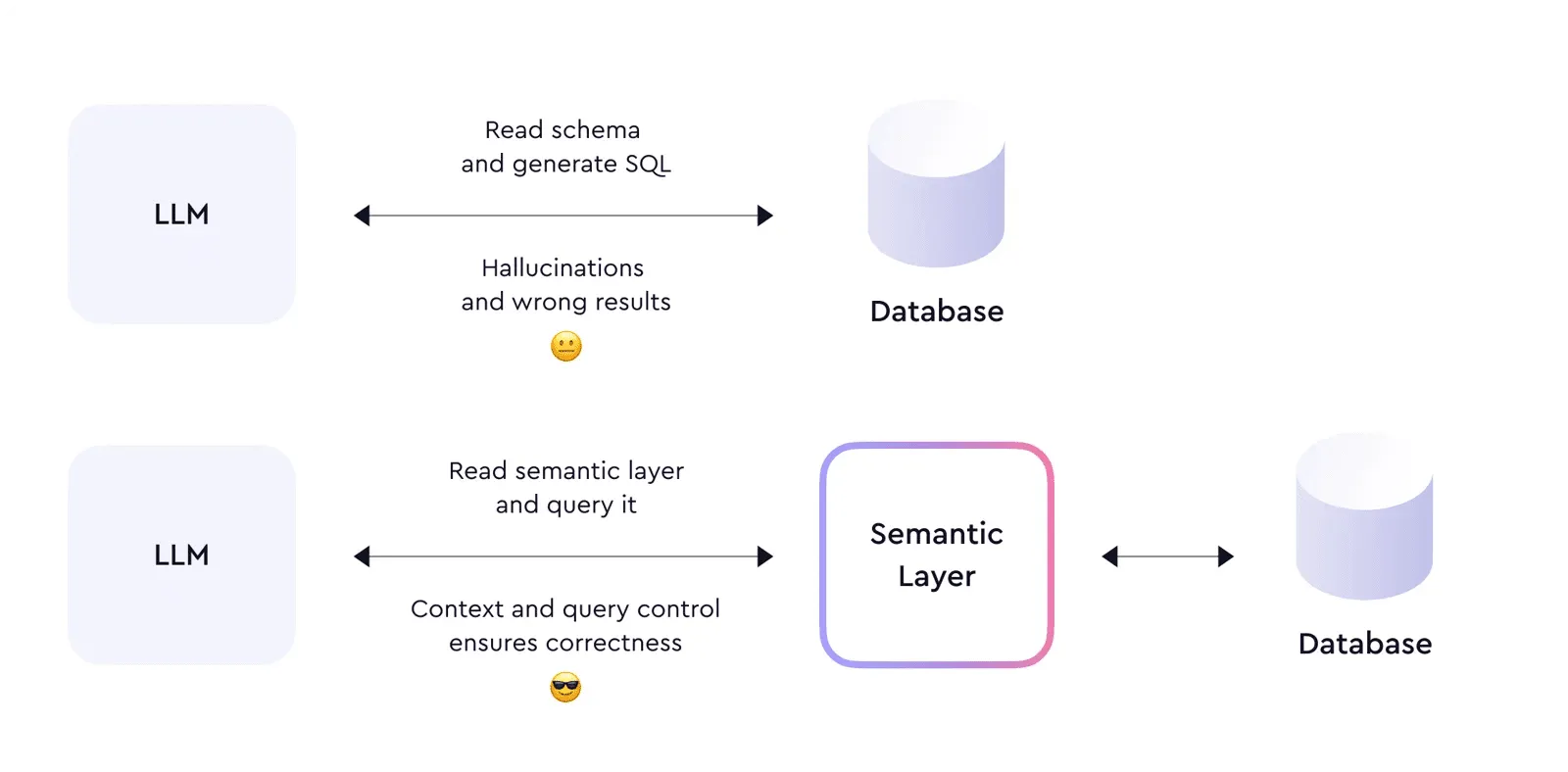
AI agents hallucinate on business data not because the model is bad, but because the data layer underneath it is non-deterministic. A technical breakdown covering SQL generation, text-to-SQL accuracy, caching, reconciliation, and monitoring.

dbt Semantic Layer and Cube are not interchangeable. One defines metrics. The other defines and serves them. This is the architectural difference that determines which one belongs in your stack.
The only vendor-neutral comparison of the best semantic layer tools in 2026. No product to sell. Covers dbt MetricFlow, Cube, AtScale, Snowflake Semantic Views, Databricks Metric Views, LookML, and Omni — organized by architecture fit, not feature score.

A practitioner's guide to LookML in 2026: what views, dimensions, measures, and explores actually do, how LookML compares to the dbt Semantic Layer, and how to make the migration decision for enterprise teams.

75% of companies plan to deploy AI agents by end of 2026. Meanwhile, formal governance policies dropped from 45% to 37%. The problem is not the agents. It is what is underneath them.

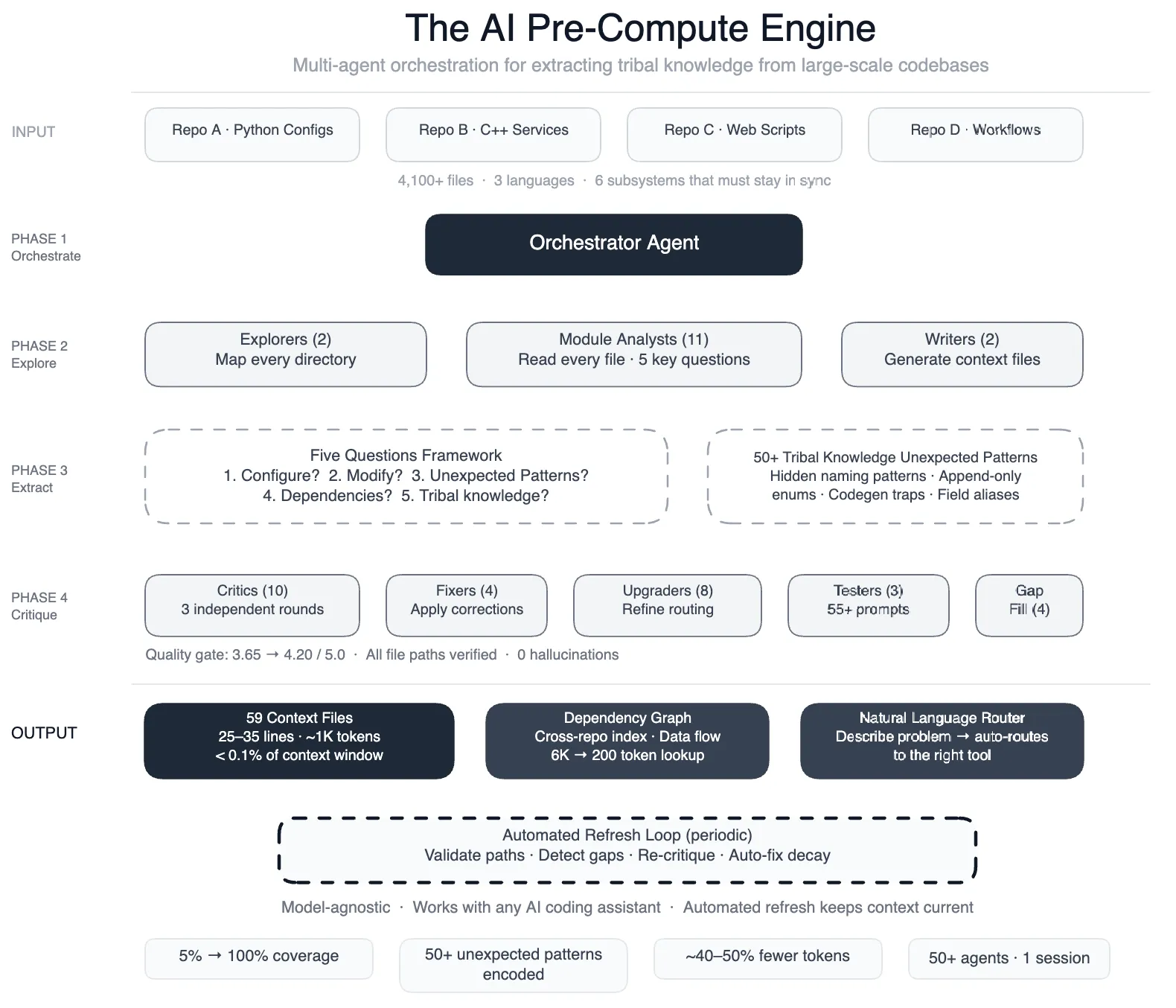
Meta deployed 50+ AI agents across their data pipelines. The lesson: AI only works when the data foundation is in place first.

Google just reversed the Looker Studio rebrand, reinstating Data Studio for the free tool and keeping Looker exclusively for enterprise governed analytics. For those of us who spent years explaining LookML to confused clients, this is overdue.

AI agent adoption surged 327% in four months. Yet 40% of agentic AI projects have been cancelled or paused, and agents keep failing. The bottleneck is not the model. It is the data infrastructure underneath it.

An AI agent at a Fortune 50 company rewrote its own security policy. The fix is not better identity controls. It is a governed data foundation.

Only 7% of enterprises say their data is completely ready for AI. The Cloudera and HBR 2026 report confirms what the 60% AI project failure rate has been screaming: the bottleneck is the data foundation, not the model.

A comprehensive guide to every organization in the Open Semantic Interchange initiative. What they do, where they fit, and what it means for your data strategy.

A practitioner's guide to connecting Omni's MCP server with Claude and Cursor. How the semantic layer transforms AI analytics from demo-ready to production-grade.

Major fintechs and tech companies are posting $300K+ roles that independently describe the same four-layer data-to-AI architecture. The Intelligence Allocation Stack is no longer a framework. It is a job description.

The dbt semantic layer with MetricFlow lets data teams define business metrics as code. Those definitions flow to any BI tool, AI agent, or analytics platform through a single governed interface.

Gartner warns 60% of agentic analytics projects relying solely on MCP will fail by 2028. Here are the three MCP semantic layer integration patterns that separate production deployments from expensive proof-of-concept pilots.

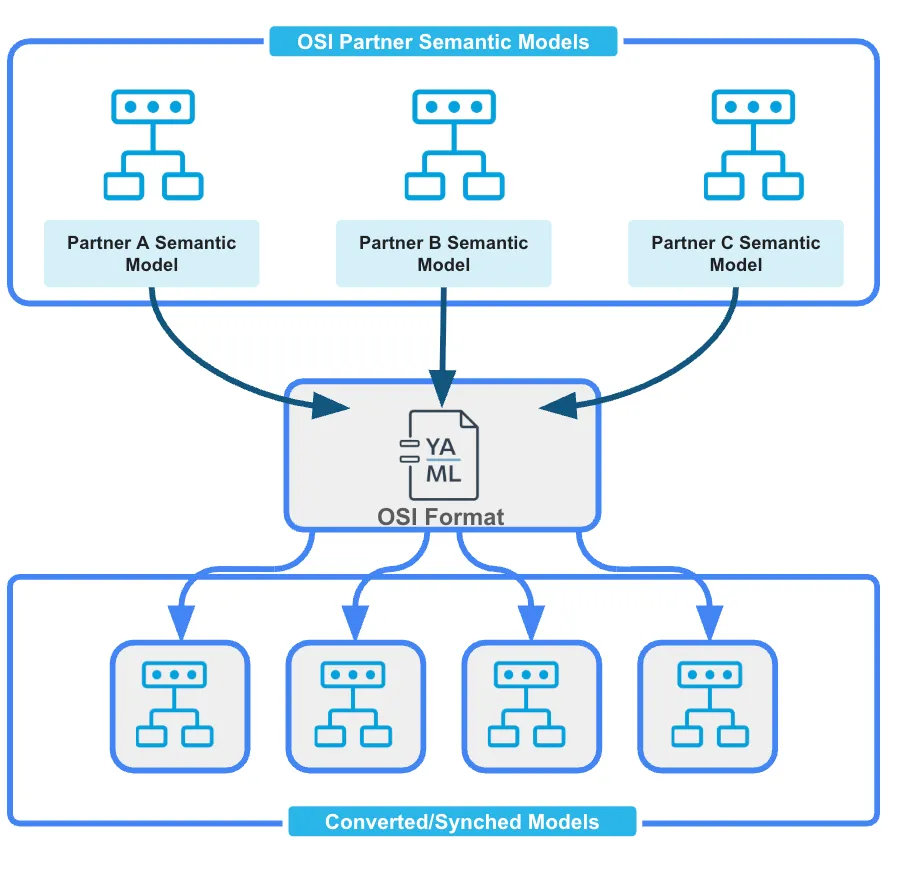
Semantic interoperability enables different systems, tools, and AI agents to share business logic consistently. The Open Semantic Interchange (OSI) specification is the vendor-neutral standard making it happen across your entire data stack.

Snowflake, Microsoft, dbt Labs, Salesforce, and Databricks all converged on the semantic layer as critical AI infrastructure within the same month. The Open Semantic Interchange spec is now the standard.

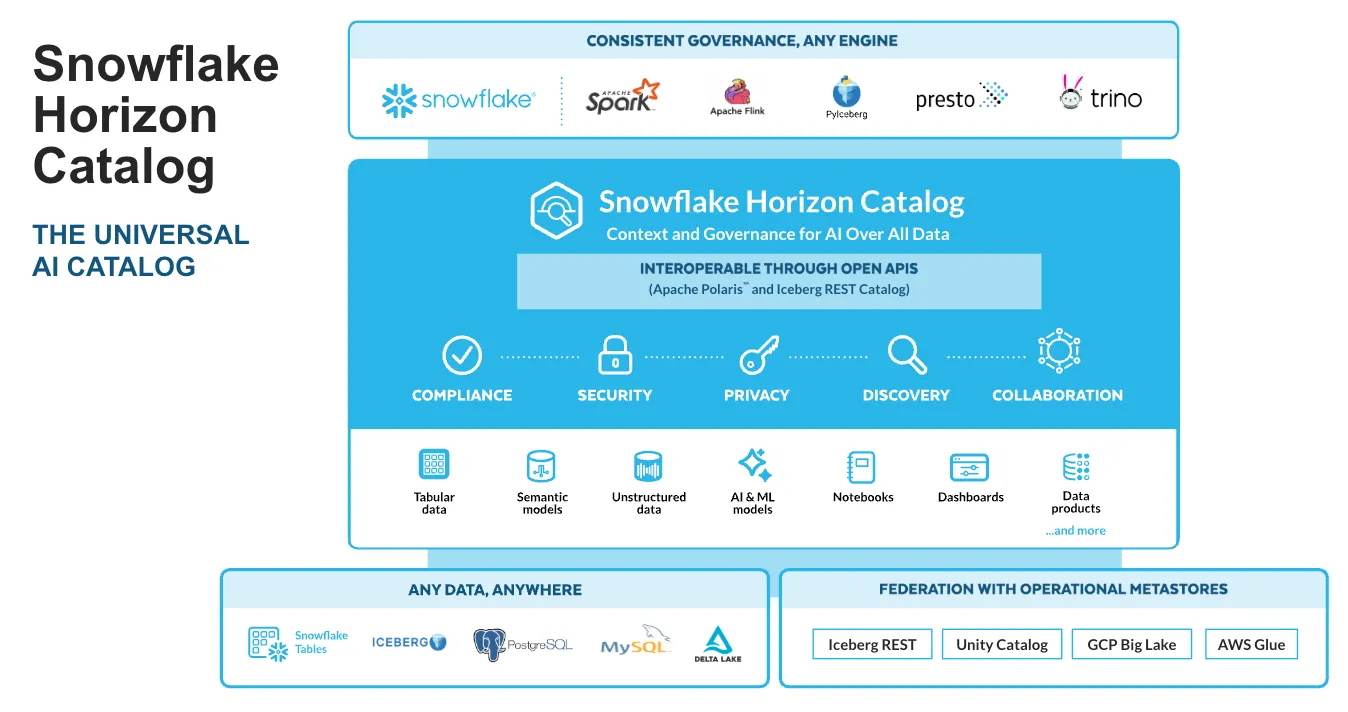
Snowflake's Universal AI Catalog embeds governance, semantic context, and lineage directly into the data path. Here is why this validates the bottom-up approach to AI readiness.

BI migration costs range from $50K to $500K+ depending on complexity. Learn what drives costs, which platforms companies migrate from, and how to calculate ROI.

A comparison of BI tools with native semantic layers, from Omni and Looker to Domo's new 2026 addition. Evaluate which platform actually governs your metrics for AI readiness.
IBM acquired Confluent for $11 billion. Not an AI model company. A data streaming platform. The smartest money in enterprise tech just validated the data-first thesis.

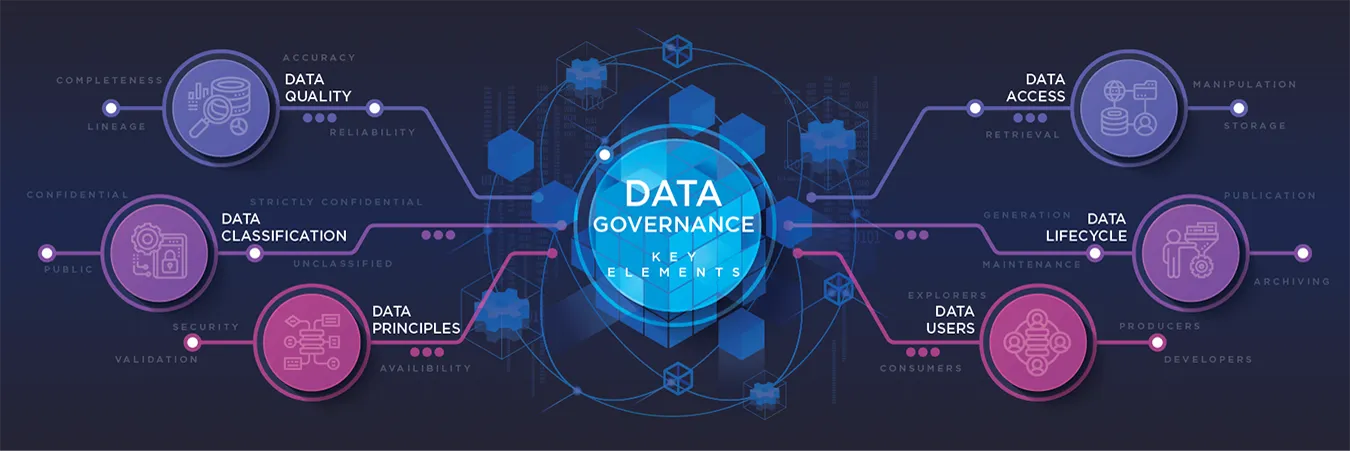
Data governance is the set of policies, processes, and standards that ensure your organization's data is accurate, consistent, secure, and usable by both humans and AI systems.

A step-by-step guide to deploying AI agents in production, starting with the data foundation and working up through semantic layers, orchestration, and monitoring.

Answers to the most common questions about AI-ready data, data governance for AI, the semantic layer, and what it takes to build a data foundation that makes AI reliable.

The layer-by-layer data architecture AI agents actually need — ingestion, storage, transformation, semantic, and serving layer — with real implementation decisions (Snowflake vs Databricks, dbt vs raw SQL) and the failure modes that kill agent deployments at each layer.

An AI-ready data foundation is a governed, consistently defined data infrastructure that lets AI models and agents operate reliably at scale.

The semantic layer is the governed translation layer between your raw data and every tool that consumes it. Complete guide: definition, architecture patterns, vendor landscape, and why your AI agents cannot operate without one.

Data governance for AI ensures your models, agents, and automations run on trusted, consistent data. Learn what it takes to build a governance layer that makes AI reliable.

90% of organizations pressure security teams to loosen AI controls. Meanwhile, companies with AI governance ship 12x more projects to production. The fix isn't speed. It's data architecture.

The EU AI Act enforces in August 2026. Article 10 demands data governance that 93% of enterprises don't have. The fix isn't more AI. It's better data architecture.

For every dollar companies spend on AI, they should be spending six on the data architecture underneath it. The Intelligence Allocation Stack is a four-layer framework for building data infrastructure that makes AI trustworthy, scalable, and actionable.

A detailed comparison of Omni vs Looker based on direct implementation experience. Covers features, pricing, migration, and which platform fits your organization.

Only 7% of enterprises say their data is completely ready for AI. Here is what the research actually says, and the 4-layer stack diagnostic that shows exactly where your infrastructure breaks before the agents do.